Production of Prefabricated Dome Houses and Structures from Standard Elements: overview for Russia
Prefabricated dome houses—assembled from repeatable standard elements—combine rapid construction, energy efficiency and attractive architecture. For Russia’s diverse climate zones (from temperate to Arctic), modular dome systems offer practical advantages for residential, commercial, tourism and emergency applications. This article explains materials, production and assembly specifics, regulatory and climatic considerations, business cases, and recommendations for manufacturers and clients in Russia.
Why domes and prefabrication?
— *Speed*: factory-made elements reduce on-site work and construction time (days–weeks vs months).
— *Energy efficiency*: dome geometry reduces exterior surface area per unit volume; combined with modern insulation and airtightness, heating loads drop significantly.
— *Structural efficiency*: curved shells distribute loads well—good for heavy snow loads and wind.
— *Repeatability and quality control*: standard elements enable automated production, CNC accuracy, and consistent quality.
— *Versatility*: single-family homes, glamping domes, emergency shelters, sports halls, greenhouses, exhibition pavilions.
Typical standard element systems
— Geodesic modules (triangles/hexagons) manufactured as:
— Steel frame + sandwich panels
— GFRP/FRP composite panels
— Cold-formed steel or timber ribs with insulated infill
— Ring/segment systems: curved shell segments bolted together
— Modular pod systems: flat-pack modules forming a spherical section
Common element widths: typically between 1.0–2.5 m (allows road transport limits and easy handling). Panel connections use bolted flange systems, tongue-and-groove edges or gasketed seals for airtightness.
Materials and insulation strategies for Russia
— Structural materials:
— Cold-formed galvanized steel (long life, recyclable)
— Fiber-reinforced polymer (lightweight, corrosion-resistant)
— Cross-laminated timber (CLT) for warmer regions or hybrid designs
— Exterior cladding: powder-coated steel, aluminum, or composite facings
— Core insulation:
— PIR/PUR foam panels for high thermal resistance and low thickness
— Mineral wool for fire resistance where required
— EPS/XPS in foundations and below-grade elements
— Glazing: triple-glazed units with warm-edge spacers and inert gas fill
— Airtightness & ventilation: continuous air barrier, taped joints, and mechanical ventilation with heat recovery (MVHR) to meet Russian cold-climate comfort and energy standards
— Thermal breaks: isolate metal connection points to avoid thermal bridges
Designing for Russian climatic and regulatory conditions
— Snow and wind loads: design per local wind and snow maps; dome geometry helps, but member sizing and connections must be verified.
— Frost and permafrost: in northern/permafrost zones use pile foundations, thermosyphons or elevated footings; avoid shallow slab on active frost heave unless mitigated.
— Fire, acoustic, and sanitary codes: comply with Russian building codes (СНиП / СП and regional regulations) and required certifications (ГОСТ, ЕАС where applicable).
— Accessibility and utilities: plan for insulation of service penetrations, external utility routing and cold-climate water/sewage protection.
Production workflow
1. Concept & engineering: parametric CAD (BIM) model, structural analysis for loads and connections.
2. Standardization: define element library (sizes, join types, seals, finishes).
3. CNC cutting & forming: steel/wood/composite element fabrication.
4. Panel assembly: sandwich core lamination or framing + insulation fill.
5. Quality control: dimensional checks, water/air-tightness testing in production (factory pre-assembly mockups).
6. Surface treatment: galvanizing, powder coating, factory painting.
7. Pre-fitted systems: windows, doors, wiring harnesses and insulation installed at factory to minimize on-site work.
8. Packaging & logistics: flatpack crates, protective frames and transport jigs.
Logistics and onsite assembly
— Transport constraints: plan element sizes for Russian road/rail gauges and permitting for oversized loads; modular element sizes are usually chosen to avoid special permits.
— Crane & crew: small domes can be assembled with light cranes or hoists; larger structures require mobile cranes and bolting teams.
— Assembly duration: a single small dome (30–60 m²) can be erected in 1–3 days; larger complexes take weeks depending on foundation and finishing.
— Foundation options: screw piles, shallow reinforced slab, perimeter strip, or elevated pile systems—selected by soil and frost conditions.
Performance targets and quality metrics
— Airtightness: target ≤ 1.0–3.0 ACH@50Pa depending on design and use (residential low-energy buildings aim lower).
— U-values: wall U-values to meet or exceed regional energy code limits; in cold regions aim for 0.15–0.30 W/m²K (depending on regulatory targets and desired comfort).
— Service life: durable coatings, galvanization and corrosion-resistant materials to achieve 30+ year service life with low maintenance.
Certifications and approvals in Russia
— Ensure compliance with Russian standards:
— Technical passports and product certificates per ГОСТ / ЕАС as required
— Structural and fire-safety approvals from local authorities
— Energy performance and sanitary/epidemiological certificates when needed
— Working with a Russian engineering firm accelerates approval and documentation processes.
Applications and market opportunities in Russia
— Remote settlements and Arctic infrastructure: rapid deployment housing, field camps, scientific stations.
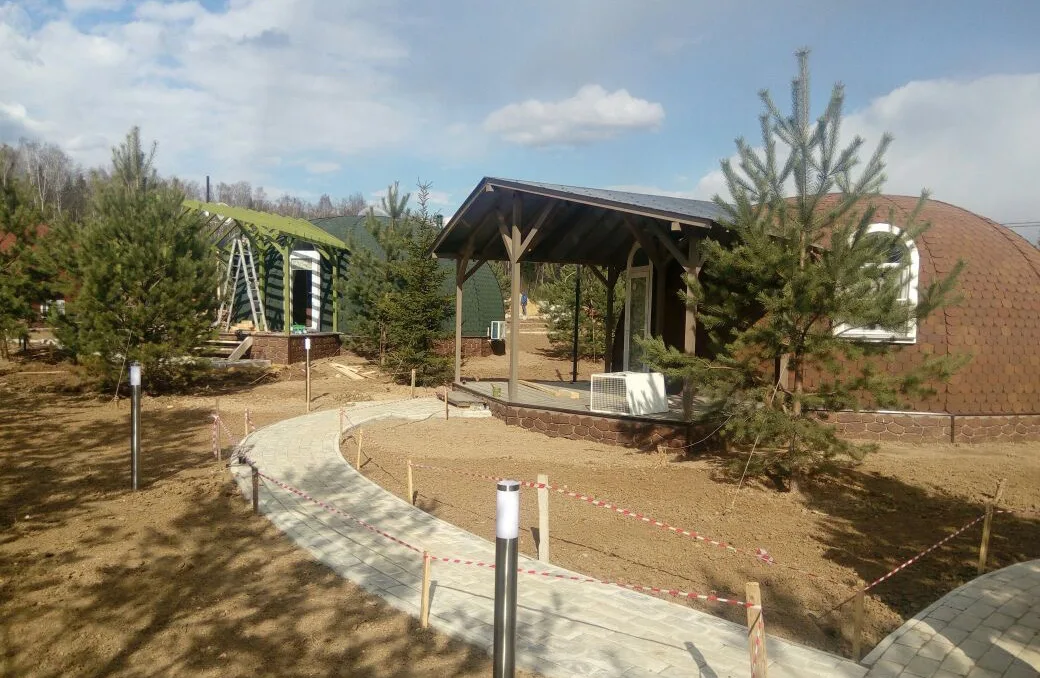
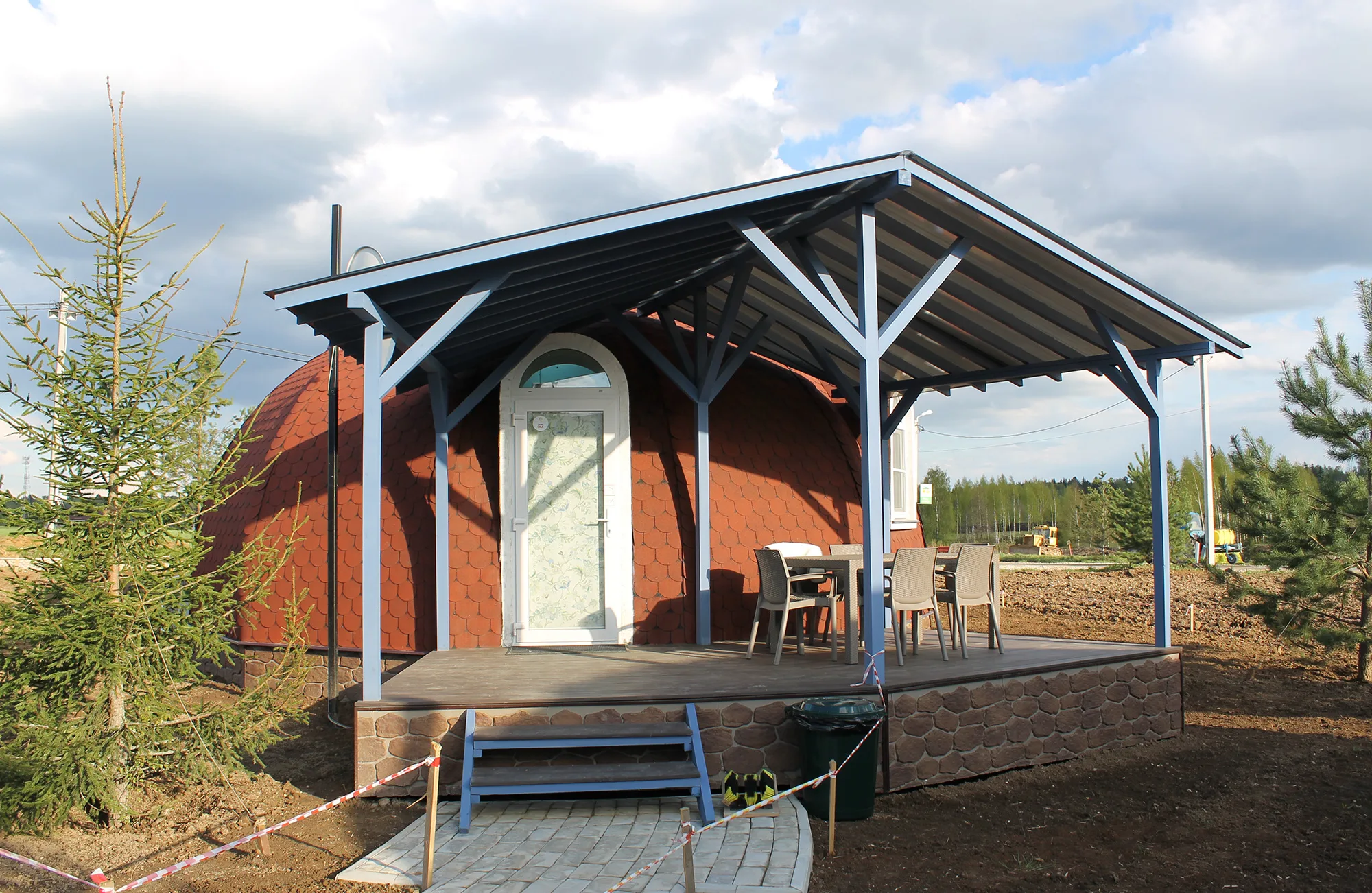
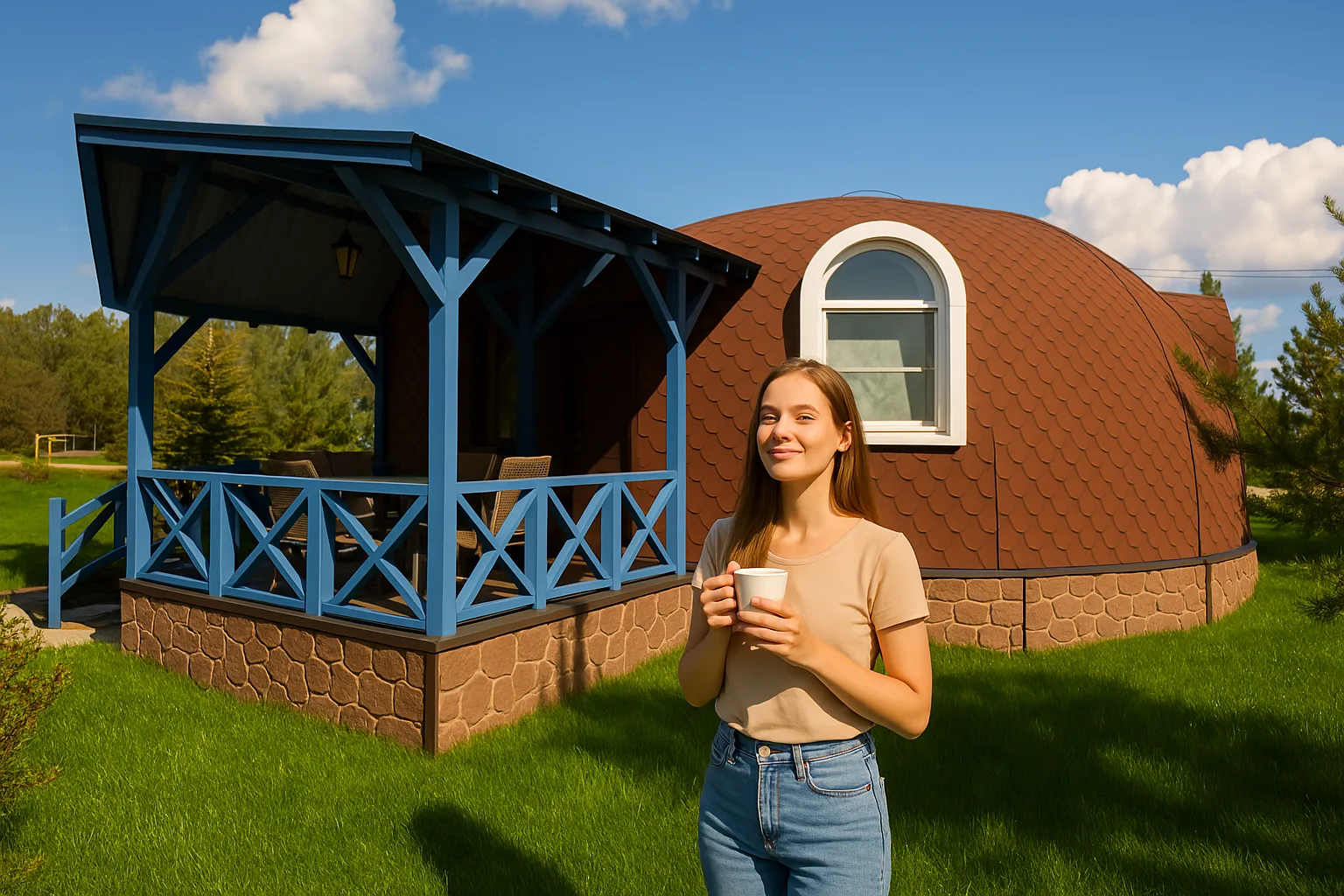
— Tourism and «glamping» (eco-tourism domes): aesthetic, fast to install.
— Emergency & disaster relief: shelters and medical units.
— Urban architecture and small public pavilions: cafés, mini-museums, kiosks.
— Agriculture and greenhouses